Welcome to

Urban

Wild Honey LLC

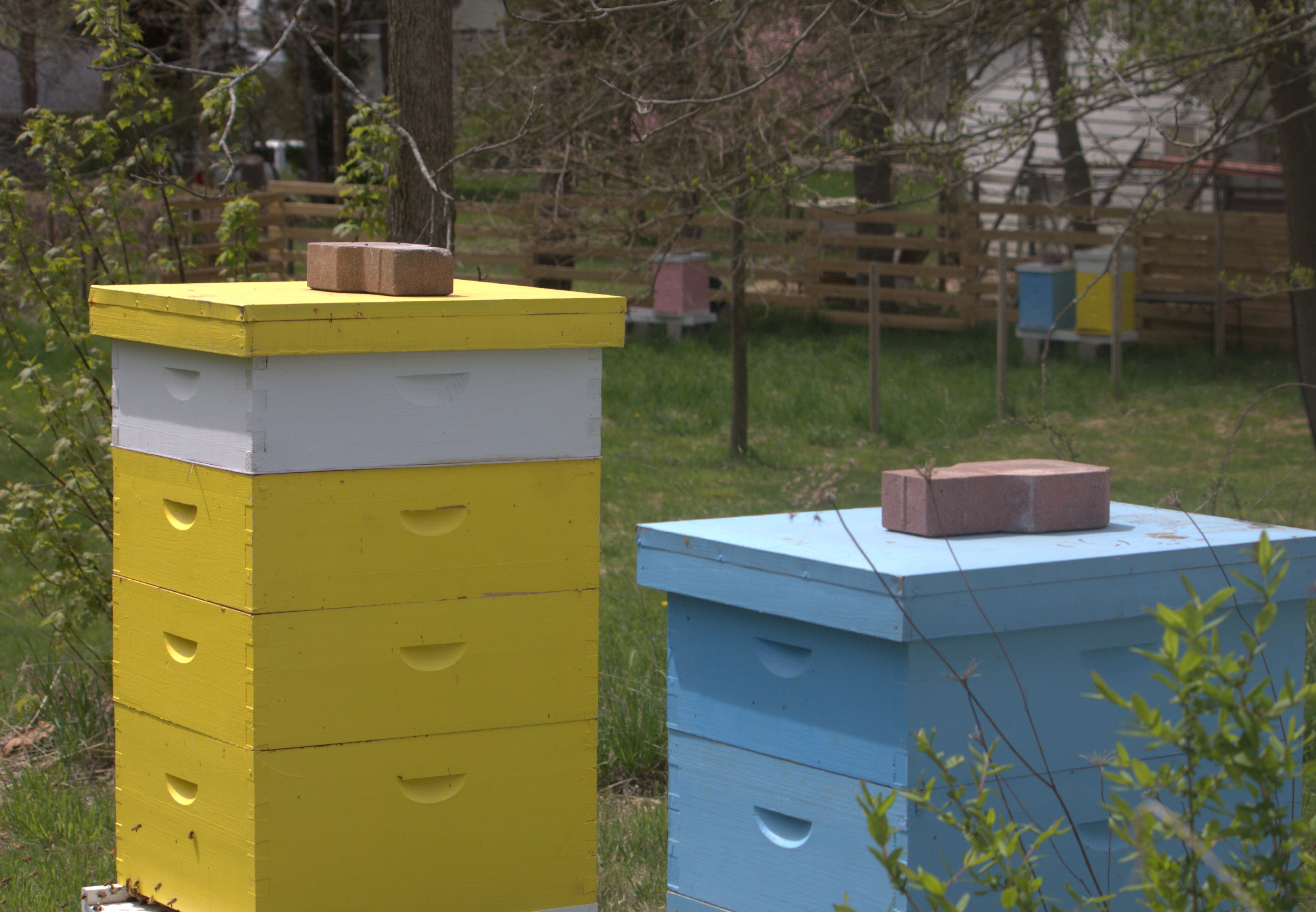
Established on April 26, 2023 in Mason, Michigan. My bees help pollinate the trees, flowers, and gardens in and around Mason Michigan.

My Story

Patch

While I was in the military, a friend showed me a beehive he had in his back yard. I was fascinated and instantly wanted to start beekeeping, but being in the military put that on hold for a few years.

Fifteen years later I retired. Over the next eleven years, I made some twists and turns in life. I got married and my family and I traveled in and out of the country for another seven years.

We bought a house in Mason Michigan and finally settled down. During the next five years, my son had been going to school and my wife found a good job right here in Mason. Life slowed down and the thoughts of bees returned. I got myself and everything prepared and started Urban Wild Honey on April 26, 2023 with three packages of bees.

Read more "The real world of beekeeping."

Crystallization:
Raw unfiltered honey is cloudy and will crystallize. It's a natural process and a good indication of pure honey. Michigan honey will start to crystalize between 2 and 6 months. Leaving the jar open or putting it in the refrigerator will cause honey to crystallize quicker. The important thing to remember is that the honey is still good and it can be de-crystallized. Slowly heating honey to 95f-104f will de-crystallize the honey. Heating it above 115f is not advised because it will start to destroy the natural components in the honey.

Local:
There is no legal definition for "local honey." It is linked to a general location, but it's mostly used to separate commercial honey from a small scale beekeeper's honey. The best way to make sure your honey is local is to buy it from a place where you can see the hives. Local honey is almost always raw and unfiltered.

Raw:
Raw means not heated beyond the normal temperature of a hive. On hot days, a hive can reach 100-104f. Since most beekeepers process honey in the spring or fall, it can be quite cold. The honey is thick and hard to process when cold, so beekeepers will heat the honey house to 90f-100f.

Unfiltered:
Honey is gravity fed through 400-600 micron filters to remove unwanted debris and wax. The large size filters are classified as strainers. Honey is considered unfiltered when the size of the filter used doesn't remove any natural components found in honey. Pollen will start to be removed with a 150 micron filter. Unfiltered honey will be cloudy.

Disclaimer:
This website does not contain, nor is it to be considered to have, legal advice. It is all opinions, therefore it does not directly indorse or refute any comments.